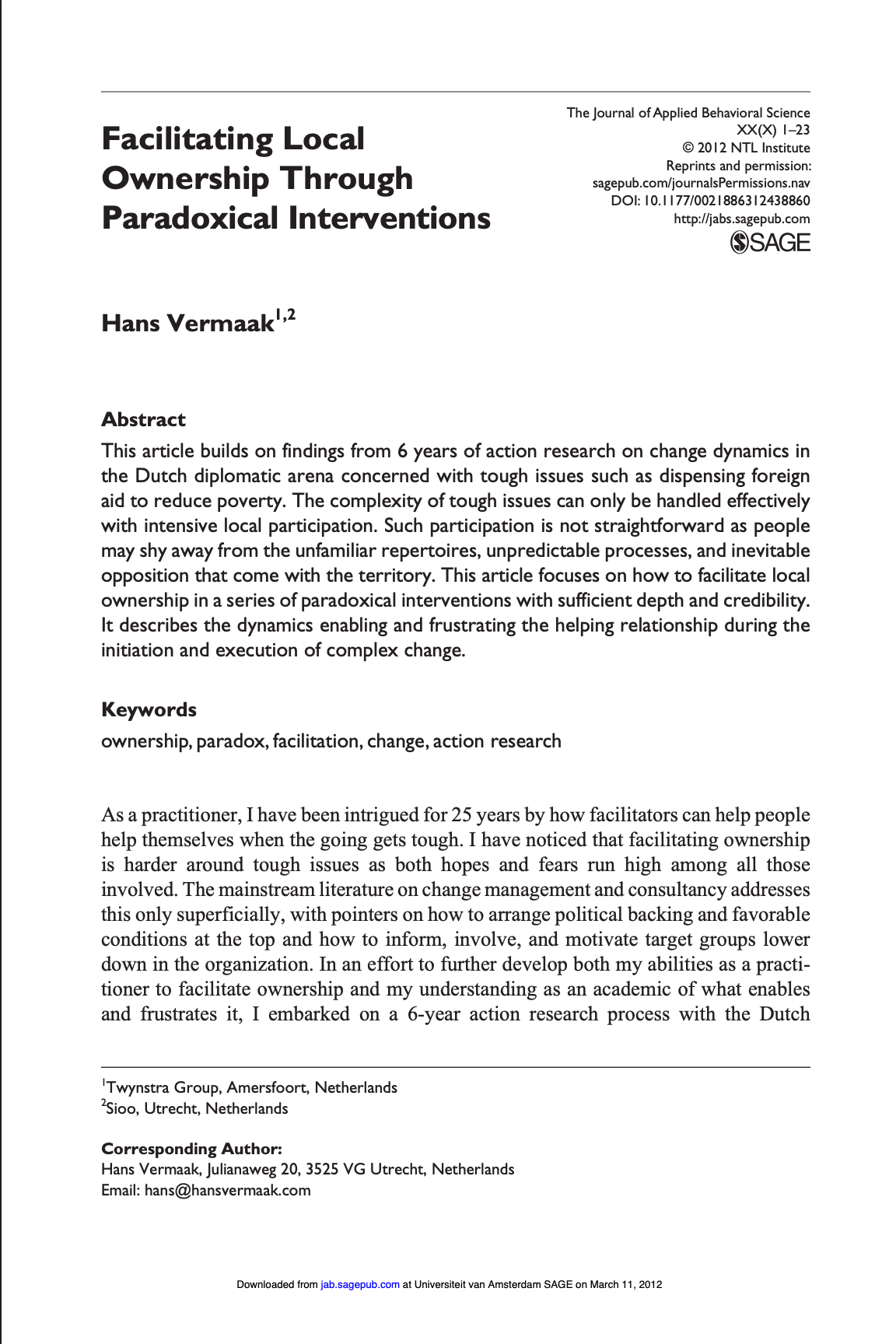
A potential method for determination of gaseous and particulate lead in exhaust gas
Microwave-induced air-plasma emission spectrometry and Zeeman furnace atomic absorption spectrometry
Hans Vermaak, Osamu Kujurai, Shigeki Hanamura, James Winefordner – Canadian Journal of Spectroscopy, 1986
In the 80’s lead in the air was a real environmental and health issue. It was caused by many things like lead paint on houses, but mostly by exhaust gases from traffic. The Environmental Protection Agency (EPA) gave the University of Florida a grant to create a device that would measure lead content in air. During my studies at that university I participated in that research. The article shows some of its findings.
A method for the determination of gaseous and particulate lead in exhaust gas is described. An atmospheric pressure microwave-induced air-plasma system was used for direct determination of gaseous lead and Zeemand furnace atomic absorption spectrometry was used for the determination of lead. The particulate lead is collected on filter paper and digested with a nitric acid and hydrochloric acid mixture. In this study , lawn mower gasoline engine exhaust gas has been used. The concentration of particilate lead was found to be about 4% of the total lead in the exhaust gas.
TYPE
THEME
MORE PUBLICATIONS